
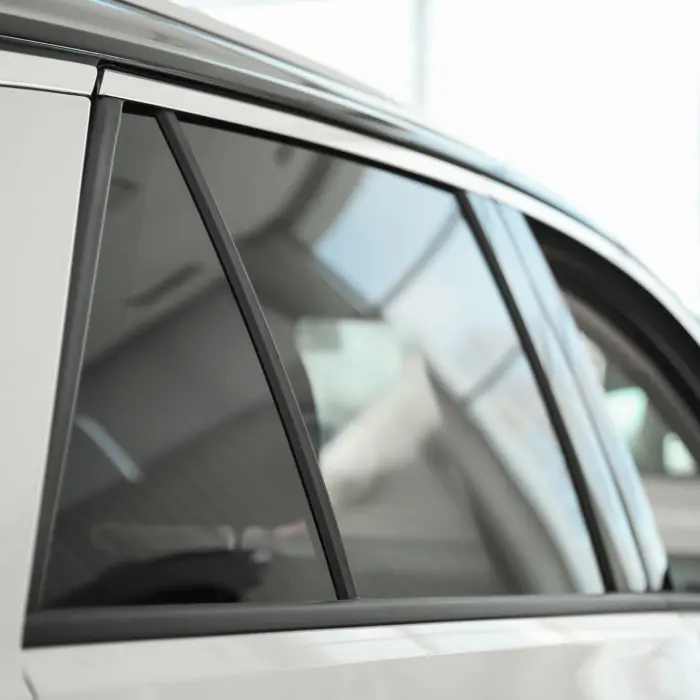
Pataskala Auto, Residential And Commercial Window Tint
In Pataskala, window tint usually starts with a simple annoyance: a low sun glare on the drive home, a west-facing living room that feels hotter than the rest of the house, or a storefront that looks washed out from constant daylight. Auto, residential and commercial window tint tackles those problems with one upgrade: a professionally installed film that controls light and heat through the glass without changing the window itself.
Quality Window Tint installs window tint in Pataskala for cars, homes, and businesses with a focus on clean edges, clear sightlines, and film choices that make sense for how you use the space. You get a free estimate, guidance on film shades and performance levels, and experienced technicians using precision-cutting tools for vehicle glass.
What window tint changes on cars, homes, and storefront glass
Window tint is a thin, multi-layer film applied to the inside surface of glass. Once installed correctly, it becomes part of how the window manages sunlight. That affects comfort, visibility, and how your interior materials hold up over time.
- UV protection: Quality films block 99.9% of the sun's harmful UV rays, which helps protect skin and slows fading on upholstery, flooring, merchandise, and interior finishes.
- Glare control: Tint cuts harsh brightness on windshields and side glass, and it can make screens and work areas easier to see in offices or at home.
- Heat management: The right film reduces the amount of solar heat that comes through the window, which can ease hot spots in rooms with heavy sun exposure and improve comfort in vehicles during sunny stretches.
- Privacy and appearance: Tint can limit outside visibility into a vehicle, home, or commercial space while keeping the glass looking uniform from the street.
- Glass containment: Film can help contain shattered glass if the pane breaks. This is about holding fragments together, not about claiming "break-in delay."
Good tint should look intentional. No purple cast, no hazy view, no jagged edges, and no bubbles that show up a week later. Those outcomes come from matching the film to the job and getting the prep and install details right.
Film choices that fit the job (and the view you want)
Not all tint performs the same. Two films can look similar from the outside and behave very differently in a car or on a big residential picture window. The best choice depends on the glass type, sun exposure, and what you want to feel inside the space.
During an estimate for window tint in Pataskala, we'll usually talk through a few decision points:
- Visible light transmission (shade): This controls how dark the glass looks and how much glare you cut. Shade also affects nighttime visibility, especially on side windows for driving.
- Heat rejection vs. look: Higher-performing films can reduce heat while staying relatively light, which matters when you want comfort without a dark appearance on home or office windows.
- Interior vs. exterior reflectivity: Some films look more "mirror-like" from certain angles. That can be desirable for daytime privacy on commercial glass, but it can also change the look of a home from the curb.
- Durability and cleaning: We use films designed to be durable, long-lasting, scratch resistant, and easy to maintain, so routine cleaning doesn't turn into a constant worry.
For commercial spaces, we also consider how the glass is used. A bright lobby, a conference room facing the sun, and a retail storefront with product near the windows can call for different film strengths even within the same building. Learn more about our commercial window tint solutions tailored to varied business needs.
How we install auto, residential, and commercial window tint
A clean tint install is mostly prep and control. Dust, debris, and rushed trimming are what cause the problems people notice later: lifted edges, contamination specks, and uneven film lines.
Here's what a professional installation typically involves:
- Glass evaluation and film selection: We confirm which windows are being tinted and choose the film type and shade that matches your goals and the glass. For vehicles, we also factor in the model's window shapes and defroster lines. For homes and businesses, we account for pane size and sun exposure.
- Thorough cleaning: We clean and prep the glass so the adhesive bonds correctly. This includes removing residues that cause "fingers" (edge lift) and addressing contamination that would otherwise be trapped under the film.
- Cutting and shaping: Automotive glass has curves and tight edges that demand accurate shaping. Our automotive window tint specialists use tools for precision cutting tailored to every vehicle, so the film fits cleanly without rough trim marks.
- Application and squeegee work: Film is applied with a slip solution, positioned, and then worked down to remove moisture and set the adhesive. This is where most of the final look is made: clear sightlines, even borders, and controlled edges.
- Final check and care guidance: We inspect for alignment and finish, then go over curing and cleaning. Some haze or small moisture pockets can appear early on as the film dries; we'll tell you what's normal and what isn't.
The process looks similar across auto, residential and commercial window tint, but the risks differ. In vehicles, the common pitfalls are poor fit on curved glass, contamination near edges, and damage around defroster lines if the installer gets aggressive. In homes and storefronts, the big issues are choosing the wrong film for the glass and leaving visible seams or gaps on large panes.
We also offer specialized auto services that ensure your vehicle's tint is both legal and stylish.
Auto tint choices and Ohio legal limits
Auto tint has to look good, feel comfortable, and stay legal. Ohio window tint rules limit how dark certain windows can be, and those limits matter most on the windshield and front side windows.
- Windshield: Ohio allows tint only at the top portion of the windshield (the strip above the AS-1 line). Full windshield tint isn't the standard legal approach.
- Front side windows: Ohio requires a lighter film on the driver and passenger front windows. A common limit is 50% visible light transmission (VLT) for front side windows.
- Rear side and back glass: Many vehicles have more flexibility on rear glass, but the right setup still depends on vehicle type and safe visibility.
If you're choosing tint mainly for heat and glare, legal-friendly films can still make a real difference. You don't have to go extremely dark to get a more comfortable drive, and staying compliant avoids the hassle of removing film later.
Brands we work with
We feature Llumar Window Film, and our work has earned a Dealer Excellence Award from Llumar Window Film. That recognition matters because good film still needs good installation, and we've built our process around consistent results.
Window tint FAQs
How long do I need to keep my car windows up after tinting?
Plan to keep windows up until the film has set enough that the edges won't shift. Many vehicles need at least a couple of days before rolling windows down. We'll give you clear guidance based on the film and the conditions at the time of install.
Will tint damage my rear defroster lines?
No, not when it's installed and handled correctly. The risk usually comes later from scraping, using abrasive tools, or peeling old film the wrong way. We install with care around defroster lines and explain safe cleaning methods.
Can residential window tint go on double-pane or low-E glass?
Yes, with the right film choice. Some glass types hold heat differently, so film selection matters to avoid stress on the pane. We evaluate the windows you want tinted and recommend a film that fits the glass and the exposure. For more details, check out our residential window tint services.
Will commercial window tint make my storefront too dark for customers?
It doesn't have to. Many businesses choose films that reduce glare and heat while keeping a bright interior feel. If daytime privacy is part of the goal, we can show options that change visibility without making the space look closed off.
What's the biggest sign of a poor tint job?
Look for uneven borders, debris trapped under the film, and edges that lift or look jagged. Another red flag is distortion in the view through the glass. A professional install should look clean from both inside and outside once it cures.
If you want window tint in Pataskala that solves glare and heat without looking like an afterthought, we'll walk you through film options and handle the install with the detail it requires. Quality Window Tint has been in business for 36+ years, with knowledgeable, friendly staff and experienced automotive tint technicians. Request a free estimate through our contact page, and ask about cash discounts when you reach out.
