
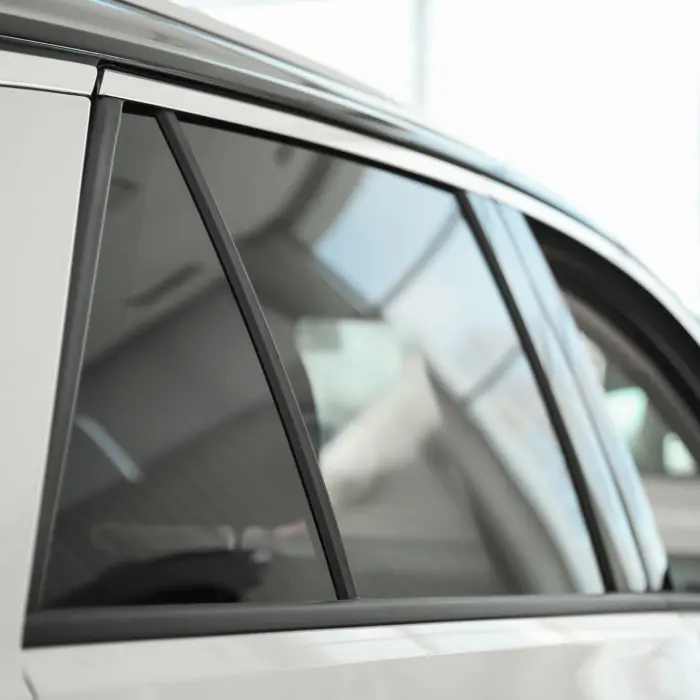
Whitehall Auto, Residential And Commercial Window Tint
The difference between a window tint job that looks clean for years and one that starts bubbling, peeling, or turning hazy usually comes down to two things: how the glass is prepared and how the film is cut and laid. In Whitehall, that matters because your windows deal with daily glare, hot afternoon sun, winter salt spray, and constant temperature swings. A cheap install can trap contamination under the film, leave light gaps at the edges, or stress certain types of glass.
Quality Window Tint handles auto, residential and commercial window tint in Whitehall with experienced technicians, the right tools for accurate film shaping on each vehicle, and a process that starts with the condition of your glass, not the roll of film. You get a practical recommendation, a clean finish, and a free estimate before any work starts.
Auto window tint in Whitehall that stays legal in Ohio
Auto tint should do three jobs: cut glare so you're not squinting into low sun, block UV exposure for you and your interior, and give you privacy without hurting visibility. We install Llumar Window Film and, depending on the film you choose, it blocks 99.9% of the sun's harmful UV rays. That's a real comfort upgrade on commutes and errands around Whitehall, and it helps reduce interior fading over time.
Shade choice isn't just personal preference. It has to meet Ohio tint law. We help you choose a film that fits the look you want while staying compliant. As a practical baseline in Ohio:
- Windshield: tint is generally limited to the top portion (above the manufacturer's AS-1 line) and must be non-reflective.
- Front side windows: must allow more than 50% of light through.
- Rear side windows and rear glass: darker tint is allowed, with different allowances depending on vehicle type.
- Reflectivity: reflective film is limited.
If you're comparing films, ask about clarity at night and in rain. Very dark film can look great in a parking lot and still be uncomfortable on unlit roads. We'll talk through how you drive, where glare hits you (front corners, side glass, rear), and what film level gives you relief without making lane changes feel like guesswork.
Installation quality is what keeps the edges clean and the film stable. Our automotive window tint specialists use proper trimming and fitting techniques so the film lays tight to the glass contours. That matters on modern vehicles with complex window shapes, dot-matrix borders, and tight gasket tolerances. Learn more about our Auto Services for expert results.
Residential window tint for comfort, privacy, and UV control
Residential window tint changes how a home feels day to day. In Whitehall, lots of houses have sunny front exposures, patio doors, and big living-room windows that look great but concentrate heat and glare right where you sit. A good film reduces harsh brightness, helps rooms stay more even, and cuts UV that fades flooring, furniture, and dcor.
Residential film selection is mostly about what you want the room to do:
- Reduce glare without making rooms gloomy: a lighter film can cut the "screen washout" effect while keeping a natural look.
- Add daytime privacy: a privacy-oriented film helps limit visibility into the room in daylight, while still keeping outward views.
- Protect finishes: UV-blocking film helps slow fading and discoloration on sun-facing sides of the house.
Home glass needs a little more planning than auto glass. Some windows are insulated (double-pane), some have low-emissivity coatings, and some older units have seals that are already stressed. Film choice and install technique should match the glass type to avoid issues like excessive heat build-up on certain panes. We'll look at the window construction and exposure before recommending a film so you're not paying for a solution that fights your glass instead of working with it. Visit our Residential page to explore options.
One more real-world detail: film won't fix a failed window seal. If you already see fogging between panes, the better move is to address that first, then tint the glass that's performing correctly.
Commercial window tint that supports your workspace and storefront
Commercial tint is about keeping spaces usable. Offices with strong sun on one side can end up with hot spots, glare across monitors, and customers squinting at the counter. In retail and service settings, front windows can also create an uncomfortable "on display" feeling for staff and clients. Commercial window tint in Whitehall is a straightforward way to get control without changing the building or replacing glass.
Commercial film is often chosen for:
- Glare reduction: makes screens easier to read and reduces eye strain.
- UV protection: helps protect merchandise, flooring, and interior finishes from fading.
- Daytime privacy: limits visibility into offices and interior work areas while maintaining a professional look.
In customer-facing buildings, appearance matters as much as performance. We'll help you choose a film that looks consistent across panes, avoids a patchwork effect, and fits the tone of your space. If your building has mixed glass types or add-on panes, that consistency work becomes even more important. See our detailed Commercial window tint solutions.
For safety, window film can help contain shattered glass if a pane breaks, which can reduce flying fragments and make cleanup more manageable. It's not a substitute for security glass or physical protection, but it is a meaningful improvement for many commercial windows.
How window tint is installed and what to expect
A clean install is mostly prep and control. The goal is to lay film on glass with no dust, no trapped moisture pockets, and no stressed edges. Here's what the work typically looks like for auto, residential, and commercial window tint in Whitehall.
- Film and glass assessment: we confirm your goals (glare, privacy, UV), check glass condition, and choose a film that fits the application.
- Surface preparation: the glass is cleaned thoroughly to remove dirt, oils, and residues. This step is where many bargain installs fail.
- Cutting and fitting: film is shaped to the pane for a tight fit. For vehicles, our specialists are outfitted with tools that support accurate cutting for each window shape.
- Application and finishing: film is positioned, squeegeed, and edge-finished so it bonds evenly without lift lines.
- Curing and care guidance: you'll get clear instructions on what to avoid while the film cures, like touching edges, using ammonia cleaners, or operating auto windows too early.
Aftercare matters. Use non-ammonia cleaners and soft cloths to protect the film. Many quality films are durable, long-lasting, scratch resistant, and easy to maintain, but abrasive tools and harsh chemicals will still shorten their life.
Choosing the installer matters too. Quality Window Tint has been in business 36+ years, is affiliated with the Better Business Bureau (BBB) and the National Foundation of Independent Business (NFIB), and has earned a Dealer Excellence Award from Llumar Window Film. Those details matter because film choice is only half the job; consistent technique and accountability are what protect your result.
FAQ about window tint in Whitehall
Will tint make my car windows look hazy or purple over time?
That's usually a film-quality and install-quality issue. Using a reputable film line and proper preparation helps you avoid the "cheap tint" look. We install Llumar Window Film and focus on clean glass prep and edge finishing so the tint stays clear and uniform.
How dark should I go on an Auto tint job if I drive at night?
If you do a lot of night driving, the darkest legal option isn't always the best option. We'll talk through your visibility needs and keep you within Ohio's requirements, especially on front side windows, where the law limits how dark you can go.
Can residential window tint go on any window in my house?
Most residential glass can be filmed, but the right product depends on the type of window and its coatings. Double-pane and low-e glass can require specific film choices to avoid heat stress. We evaluate the glass first, then recommend a film that fits that window.
Does commercial tint help with broken glass?
Window film can help hold shattered glass together if the pane breaks, which can reduce scattered fragments. It's a practical safety benefit for many storefront and office windows.
Do you offer estimates for window tint in Whitehall?
Yes. We provide free estimates, so you can compare film options and make a clear decision before scheduling.
If you want tint that looks right up close, performs the way you expect, and stays within Ohio rules, we'll walk you through film options and the best placement for your vehicle, home, or building in Whitehall.
Request a free estimate and tell us what you're tinting and what problem you want the film to solve first. That's the fastest way to get a recommendation that fits your glass and your day-to-day use.
