
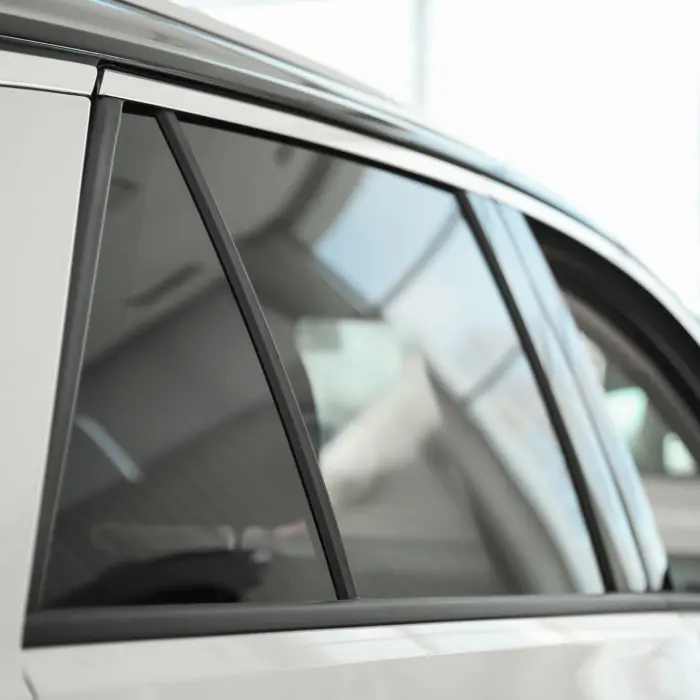
Gahanna Auto, Residential And Commercial Window Tint
A cheap tint job usually fails in the same places: dirty edges, film that peels at the corners, rear glass that looks wavy, and a shade that puts you on the wrong side of the law. A qualified window tint install is the opposite. The glass is prepped like a cleanroom surface, the film is sized to the window so it lays flat, and the final look is even from edge to edge.
Quality Window Tint installs Auto, residential and commercial window tint in Gahanna with experienced technicians and the right tools to make the film fit cleanly. We've been tinting for 36+ years, offer free estimates, and we work with Llumar Window Film (including recognition with a Dealer Excellence Award). If you want tint that looks right and performs the way it should, the details of the install matter as much as the film itself.
What a well-installed window tint changes in Gahanna
Window film is a thin, multi-layer material applied to the inside surface of glass. Once it cures, it becomes part of the window system: it filters UV, cuts glare, and helps control how much solar heat gets through. Done correctly, it also gives you a cleaner sightline, because the film is installed without trapped lint, hazy adhesive patches, or scratched glass.
In Gahanna, that performance shows up in everyday moments. In your vehicle, tint reduces squint-inducing glare during bright commutes and keeps interior materials from baking and fading. At home, it makes a sunny room easier to use without closing blinds all day. In a commercial space, it helps employees and customers see screens and displays without constant glare while maintaining a professional, consistent look on the glass.
Quality Window Tint uses film that blocks 99.9% of the sun's harmful UV rays, reduces glare, and is durable and easy to maintain. For applications where it's appropriate, we also install films that help contain shattered glass, keeping broken pieces together rather than scattering.
Auto window tint in Gahanna: comfort, visibility, and Ohio rules
Auto window tint is about control: controlling heat load, glare, and privacy without wrecking nighttime visibility. The "right" shade depends on how you drive, where you park, and how sensitive you are to bright light. It also depends on Ohio tint rules, which set limits by window and vehicle type. For example, the windshield is limited to the top strip area (commonly defined by the AS-1 line), and front side windows are more restricted than rear glass. We'll help you choose a film that fits your goals and stays compliant. Learn more about our Auto Services.
Our automotive window tint specialists focus on clean fit and clean function. That includes consistent edges, proper film shrink on curved rear glass, and careful work around defrosters and antennas so the tint lays smooth and looks uniform from inside and out.
- Shade selection (VLT): Darker isn't always better. Too dark can hurt visibility on rainy nights and in unlit parking areas. We'll balance glare control with safe sightlines.
- Heat rejection vs. appearance: Some films are designed to cut heat without dramatically darkening the glass, which is useful if you want a lighter look but still want comfort.
- Windshield options: Many drivers choose a legal top strip to reduce high-angle glare without affecting the main field of view.
- Fit on modern vehicles: Complex curves, tight trim, and sensors demand accurate cutting and careful handling. Our technicians use precision cutting tailored to every vehicle to reduce edge issues and improve consistency.
After install, you'll get clear care instructions. Typical guidance includes avoiding rolling windows down for a short period and cleaning with a soft cloth and ammonia-free products once the film has cured.
Residential window tint: cooler rooms, less glare, clearer daylight
Residential window tint is the fastest way to change how a room feels without replacing windows. Film can cut harsh glare on TVs and laptops, reduce UV exposure that fades flooring and furniture, and make rooms with big glass areas more comfortable during bright parts of the day. Discover the benefits of our Residential window tint options.
Choosing the right residential film isn't just picking "dark" or "light." The film has to match how you use the room and the type of glass you already have. Some homeowners want a neutral look that preserves natural light. Others want stronger solar control for rooms that overheat. Privacy is also a factor, but it comes with tradeoffs: many privacy-style films work best in daylight and become less private at night when indoor lights are on.
Install quality matters on homes because imperfections are easier to see when you're sitting six feet away from a window every day. We prep the glass thoroughly, remove adhesive residue, and finish edges cleanly so the film doesn't lift at corners or collect dust at the border.
Commercial window tint for offices, storefronts, and glass-heavy interiors
Commercial window tint is performance-driven. Glare on screens slows work down. Direct sun on a counter or display can discolor products and signage. A front-facing wall of glass can make a space feel hot and uneven, pushing your HVAC harder than it should. See how our Commercial window tint solutions can help your business.
In Gahanna commercial spaces, we commonly see needs like:
- Glare control for offices: Reducing reflection on monitors and conference room displays while keeping daylight usable.
- Comfort for customers and staff: Cutting hot spots near windows and entry glass so seating and work areas are more consistent.
- Appearance and consistency: A uniform look across panes can make a storefront feel more finished without changing the building.
- Glass containment options: Where a property wants it, film can help hold shattered glass together after impact, reducing loose shards.
Commercial work also needs planning: matching film appearance across different glass types, keeping sightlines clear for customers, and avoiding "patchwork" results that happen when film is chosen without considering existing window coatings and interior lighting.
How we install window film (auto, residential, and commercial)
The install process is where experience shows. A good-looking tint job comes from controlled prep, accurate sizing, and methodical finishing, not rushing to stick film on glass.
- Confirm the goal and the constraints: We talk through heat, glare, privacy, and appearance, then confirm any rules that apply (especially for Auto tint in Ohio).
- Inspect the glass and surfaces: We look for existing film, scratches, chips, failing seals, and contamination that can show through the finished tint.
- Protect the area: In vehicles, we protect panels and trim. In homes and businesses, we protect nearby flooring and surfaces around the window.
- Deep clean: We use proper tools and cleaning solutions to remove dirt, oils, and residue that cause bubbles and edge lift.
- Cut and shape the film: Automotive glass often needs heat-shaping for curves. Accurate cuts prevent light gaps and jagged borders.
- Apply and squeegee: Film is positioned, then pressed out to remove installation solution and micro-bubbles, with close attention to edges and corners.
- Final check and care instructions: We inspect for clarity and alignment, then explain curing behavior and cleaning so the film stays looking right.
If you're replacing old tint, we can remove failing film first so the new layer bonds to clean glass instead of compromised adhesive.
Brands we work with
We feature Llumar Window Film, and our work has been recognized with a Dealer Excellence Award from Llumar Window Film. Pairing a proven film with a careful install is how you avoid the early failures people associate with "cheap tint."
FAQ about window tint in Gahanna
How long does window tint take to cure, and what will it look like while it dries?
Fresh film often looks slightly hazy or shows small moisture pockets during the cure period. That's normal as the remaining installation solution evaporates. We'll explain what you should and shouldn't worry about, plus when it's safe to clean the glass.
Can you tint over existing film?
No. New film needs clean glass to bond correctly. If old film is bubbling, purple, or peeling, we remove it first, clean off the adhesive, and then install the new film.
What's the darkest legal Auto tint in Ohio?
Ohio sets limits based on the window location and vehicle type. The windshield is limited to the top strip area, and front side windows have stricter light-transmission requirements than rear windows. We'll walk you through the current rules for your specific vehicle and match a film that meets them.
Is there a residential film that reduces heat without making the windows look dark?
Yes. Some films are designed for solar control with a lighter, more neutral appearance. They're a good fit when you want comfort and UV protection but don't want the room to feel closed in.
Will window tint change how I clean my glass?
You'll want to avoid abrasive pads and harsh ammonia-based cleaners. A soft microfiber cloth and a tint-safe cleaner keep the film clear and help prevent scratches over time.
For Auto, residential and commercial window tint in Gahanna, Quality Window Tint keeps the work practical: pick the right film for the job, install it cleanly, and make sure you know how to care for it afterward. Request a free estimate through our Contact Us page, and ask about available cash discounts when you reach out.
Quality Window Tint is a BBB member and part of the NFIB, and we've stayed focused on window tinting for 36+ years because the details never stop mattering.
