
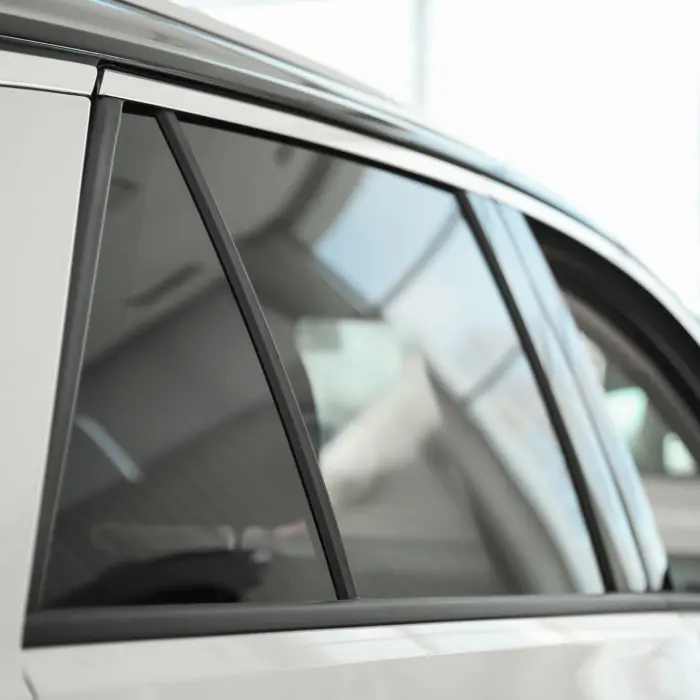
Delaware Auto, Residential And Commercial Window Tint
Window tint done right in Delaware looks clean at the edges, stays clear, and matches the reason you're buying it: less glare, better comfort, and strong UV protection without a "bubbled" or purple look later. Quality Window Tint installs auto, residential and commercial window tint with experienced technicians and the right tools to fit film accurately, so the finished glass looks intentional, not patched on.
Good tint work starts with choosing the film for the job and ends with disciplined prep, precise cutting, and a careful final squeegee. That's what keeps film from lifting at corners, showing contamination, or distracting you with hazy areas when the sun hits at an angle.
What window tint changes inside a car, home, or storefront in Delaware
Window film is a thin, optically clear layer applied to the inside surface of glass. Once installed, it's meant to do specific work: cut harsh glare, block 99.9% of the sun's harmful UV rays, and add day-to-day comfort by reducing the intensity of sunlight coming through the glass. In real life, that means fewer squints on the drive, fewer washed-out screens in bright rooms, and less "spotlight" effect where direct sun lands on one area for hours.
Tint also helps with glass breakage behavior. With film in place, shattered glass tends to stay more contained instead of scattering as easily. It's not a substitute for physical security hardware, but it is a meaningful difference in how glass behaves when it breaks.
In Delaware, the most common reasons people ask for tint are practical, not cosmetic: evening glare through west-facing windows, bright storefront glass that makes it hard for staff to work comfortably, and vehicles where the cabin gets blasted with sun through large side glass and rear windows. The right film and shade choice depends on where the sun hits, what you need to see through the glass, and what you want the finished look to be.
Auto window tint choices that stay legal in Delaware
Auto tint has two jobs: improve comfort and visibility without creating night-driving problems or legal issues. We'll help you pick a shade that fits your driving habits and stays within Delaware requirements for automotive window film. If you're not sure what's currently on your vehicle, we'll look at it with you and recommend a clean path forward.
Our technicians are automotive window tint specialists, and they're outfitted with tools for accurate fitting rather than "trim until it looks close." Precision matters most around defroster lines, tight corners, and complex curves, where rushed installs start to peel or show light gaps. Learn more about our Auto Services for expert tinting.
- Front side windows: Visibility and compliance matter most here. We'll guide you to a shade that keeps the car comfortable without making intersections and rainy nights harder to read.
- Rear glass and back side glass: This is where drivers often feel the most heat and glare. A properly fitted film improves comfort and helps protect interior materials from UV exposure.
- Windshield film: If you're considering any windshield application, it has to be handled with extra care and within Delaware rules. We'll explain what's allowed and what isn't before anything is applied.
Auto film should look consistent panel to panel. If one window is darker, hazier, or shows more texture, it's a sign of mismatched film, contamination, or inconsistent installation pressure. That's the sort of detail we watch for during the final inspection, because you'll see it every time you drive into the sun.
Residential window tint for Delaware homes
Residential tint is about making rooms livable, not turning your house into a cave. The best results come from picking film based on how the room is used. A home office needs screen-friendly glare control. A living room with a big picture window might need stronger sun control, while still keeping the view clear. Bedrooms often need privacy at specific times of day, not just a darker look.
We install residential window film to address common homeowner pain points in Delaware:
- Glare control: Reduce harsh light on TVs, laptops, and work surfaces.
- UV protection: Window films we install block 99.9% of harmful UV rays, which helps protect floors, furniture, and fabrics from UV exposure.
- Comfort and consistency: Reduce "hot window" zones so you aren't avoiding one side of the room when the sun is strong.
- Cleaner glass appearance: Properly installed film stays clear and even, without ripples or trapped debris that catch the light.
Residential installs also demand good judgment about edges, seals, and existing window condition. Older glass, worn seals, or windows with existing residue require extra prep. Skipping that prep is how film ends up with tiny bumps you can't unsee once the sun hits them.
Maintenance matters too. We install films designed to be durable, long-lasting, scratch resistant, and easy to maintain. We'll also give you simple care guidance so you don't accidentally haze the film with the wrong cleaner. For more on our offerings, visit our Residential page.
Commercial window tint for Delaware storefronts and offices
Commercial tint has a different goal: keep staff comfortable, protect merchandise and interiors from UV exposure, and make front-of-house glass easier to work behind. A retail storefront with full-height glass can feel like a spotlight all day. Offices with conference room glass often struggle with glare during meetings. Film is a practical fix that doesn't require replacing windows.
We approach commercial window tint in Delaware with an eye toward uniform appearance from the street and consistent performance across multiple panes. That includes careful alignment so sightlines look clean and the film doesn't call attention to itself.
- Customer-facing glass: Reduce glare and harsh light without making the space feel closed off.
- Employee work areas: Cut eye strain from bright windows and improve screen visibility.
- Glass doors and sidelites: Apply film cleanly around hardware and edges so it looks finished up close.
If your building has a mix of glass types or older panes, we'll talk through film selection so you don't end up with mismatched color or reflectivity across the facade. That's a common regret on commercial work when film is chosen strictly by "darkness" instead of appearance and purpose. Discover the benefits on our Commercial page.
How our Delaware tint installation is handled
A clean install is mostly about what happens before the film touches the glass. Dirt, residue, and rushed trimming show up later as bubbles, lifting corners, or tiny specks trapped under the film. Our process is built around preventing those issues.
- Confirm goals and glass type: Auto, residential and commercial window tint all behave differently depending on glass shape, coatings, and how the space is used.
- Film selection: We'll recommend a film and shade that fits the goal (glare reduction, UV protection, privacy, appearance) and stays appropriate for the application.
- Surface prep: Thorough cleaning and edge prep to remove dust and residue that cause visible contamination.
- Accurate cutting and fitting: For vehicles, our specialists use precision cutting tools tailored to each vehicle so the film fits cleanly around curves and borders.
- Application and finish work: Controlled slip solution, careful squeegee work, and attention to edges so the film lays flat and stays down.
- Final check and care guidance: We inspect for uniformity and explain curing behavior and cleaning do's and don'ts.
Quality Window Tint has been in business for 36+ years, and that time shows up in small, practical choices: how close to the edge to finish a piece, how to avoid trapped debris, and when to stop and re-prep a window instead of trying to "squeegee out" a problem that won't disappear. We're also a BBB member and part of the NFIB, and we've earned a Dealer Excellence Award from Llumar Window Film.
Free estimates are available, so you can make a clear decision on the right film and scope before scheduling.
FAQ about window tint in Delaware
How dark should my auto tint be in Delaware?
Darkness is only part of the decision. It needs to stay legal for the specific windows on your vehicle and still let you drive comfortably at night. We'll review the look you want and guide you to a shade that fits Delaware requirements and your visibility needs.
Will window tint make my home too dark?
Not if it's chosen correctly. Residential film can be selected for glare and UV control while keeping rooms bright. The best choice depends on which direction the window faces and what the room is used for.
Does commercial window tint change the look of my storefront from the outside?
It can. Some films are more reflective, others look more neutral. We'll talk through appearance before installation so you don't end up with a finish that feels out of place for your building.
What causes bubbling or peeling after tint is installed?
Most long-term bubbling and peeling comes from poor surface prep, contamination under the film, or rushed edge work. A professional install focuses on cleaning, fitting, and finishing so the film lays flat and stays adhered.
How do I clean tinted windows after installation?
Use gentle cleaning methods and avoid abrasive tools that can scratch film. After installation we'll give you clear care instructions so the film stays clean and clear.
If you want auto, residential and commercial window tint in Delaware that looks crisp up close and holds up to everyday use, we'll help you choose the right film and install it with the kind of prep and finish work that prevents the common failures. Request a free estimate and tell us what you're trying to fix first: glare, privacy, UV exposure, or a combination. We'll take it from there.
