
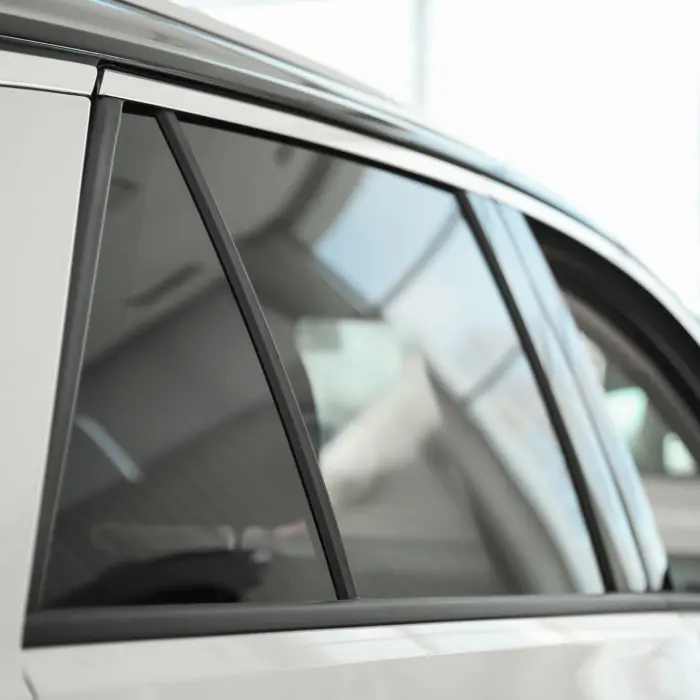
Urbana Auto, Residential And Commercial Window Tint
A window tint job in Urbana starts with a quick conversation about what you're trying to fix: heat that builds up in a parked car, glare across a living room in the afternoon, or a storefront that feels exposed and uncomfortable for staff. From there, we measure the glass, confirm what's legal for Auto tint in Ohio, and help you choose a film that matches the way you actually use the space or the vehicle.
Installation day is mostly about control and cleanliness. The glass gets cleaned, the film gets cut to match each pane, and the application is done with careful squeegee work so edges sit flat and the finish stays clear. We offer free estimates, and our knowledgeable, friendly staff will walk you through film choices and aftercare so you know what to expect right away and after it cures.
Quality Window Tint has 36+ years in window tinting, is a BBB and NFIB member, and has earned a Dealer Excellence Award from Llumar Window Film. That matters because tint is one of those upgrades that looks simple until it's done poorly, then you live with haze, peeling edges, or visibility issues every time you drive or look out the window.
Auto window tint in Urbana: inspection, cutting, and a clean finish
Automotive tint is a precision job because every window has curves, dot-matrix borders, seals, and tight clearances. We start by checking the condition of the glass and discussing your goals (glare reduction, cabin comfort, privacy, UV protection). Then we select a film that fits those goals and stays within Ohio requirements for the specific windows being tinted. Learn more about our auto services.
Our technicians are automotive window tint specialists and come outfitted with tools for accurate patterning and cutting tailored to the vehicle. The goal is simple: film that aligns cleanly with the top edge, tucks neatly near gaskets, and doesn't leave light gaps or "fingers" at corners.
- Confirm coverage and compliance: which windows you want tinted, what shade is allowed, and how dark you're comfortable driving at night.
- Prep the glass: thorough cleaning and debris removal so dust doesn't get trapped under the film.
- Cut and shape the film: matched to each window's outline and curvature for a consistent border and clean edges.
- Apply and squeegee: the film is positioned, then moisture and air are pushed out in controlled passes to prevent bubbles and edge lift.
- Final inspection: we check clarity, edge contact, and alignment, then go over curing and care.
Right after install, a little haziness or small water "blisters" can show up. That's normal during curing. The important part is what happens after it dries: the film should settle clear, with edges staying tight instead of curling or whitening.
Residential and commercial window tint: comfort and control without changing the glass
Window tint on homes and businesses in Urbana solves a different set of problems than cars. On a residence, it's often about making a room usable again during bright hours, reducing fading on floors and furniture, and taking the sting out of direct sun through large panes. In commercial spaces, it's commonly about glare on monitors, customer comfort near front glass, and privacy for offices or meeting areas. View examples in our commercial window tint portfolio.
We begin with a site walk to identify which panes are causing heat or glare and what type of glass is installed. That matters because not every film is a good match for every window. Some glass packages, coatings, and pane sizes need a specific film style to avoid stress on the window.
- Glass assessment: checking for existing chips, failed seals, or coating types that affect film choice and adhesion.
- Film selection by room/use: different needs for a west-facing room, a street-facing storefront, or an office with screens.
- Clean application: detailed cleaning, careful positioning, and trim work so the finished edge is straight and consistent.
- On-site considerations: staging the work so you can keep operating your business or living in the home while the film cures.
If you want a safety-minded option, we can also discuss films designed to help contain shattered glass. The benefit here is reducing loose shards if glass breaks, not making claims about stopping forced entry.
Picking the right film: UV protection, glare reduction, heat, and privacy
Not all window film feels the same day-to-day. The "best" choice depends on what you're trying to change: brightness, temperature, privacy, or how the glass looks from the street. We'll translate those goals into a film type that performs the way you expect once it's on the window.
Many customers start with UV protection. The window films we install block 99.9% of the sun's harmful UV rays. That helps protect interiors from sun damage and is useful in both vehicles and buildings where people spend hours next to the glass.
- Glare control: reduces harsh reflections on windshields, screens, and glossy surfaces without feeling like you're living in a cave.
- Heat comfort: different films manage solar energy differently; we'll steer you toward options that match your comfort goal instead of choosing darkness alone.
- Privacy and appearance: privacy needs vary a lot between a car, a home's front windows, and a business entry. Check out our residential window tint options for home privacy solutions.
- Durability and maintenance: we use films built to be durable, long-lasting, and scratch resistant, with cleaning that stays straightforward once cured.
A practical tradeoff: darker isn't always better. In a vehicle, overly dark tint can cut visibility on rainy nights. In a commercial space, too much darkness can make a lobby feel closed-off. We'll help you land on a shade that improves comfort without creating a new problem.
Ohio tint rules and what they mean for daily driving in Urbana
Auto tint has to look good and stay legal. Ohio rules are specific about the windows that matter most for driver visibility. As a baseline, Ohio law requires front side windows to allow at least 50% light transmission, and the windshield tint is limited to the top strip (commonly described as the top few inches). Tint rules are different for rear windows, and vehicle type can change what's allowed, so we confirm the right limits for your vehicle before film goes on.
Legal compliance is only half the decision. The other half is how the car feels in real use: backing up at night, checking mirrors in the rain, or driving into low sun. If you want the look of darker film, we'll talk through options that still keep visibility workable and reduce glare the way you expect.
If you've had previous tint removed, we'll also point out anything that can affect the next install, like adhesive residue, glass pitting, or rear defroster lines that need careful handling. It's better to set expectations up front than to pretend every window behaves the same.
FAQ: common questions about window tint in Urbana
How long does it take for window tint to cure?
Curing depends on conditions and the type of film, but you should expect a curing period where the film is still drying. During that time, light haze or small moisture pockets can be normal. We'll give you clear aftercare steps for your vehicle, home, or business so the finish settles the way it should.
What tint is legal on the front windows in Ohio?
Ohio requires the front side windows to allow at least 50% visible light transmission. Windshield tint is limited to a top strip area. We confirm the appropriate limits for your vehicle before installation so you're not guessing.
Can you match tint on factory privacy glass or existing film?
We can often get close, but "matching" depends on how the factory glass is dyed and what film is already installed. We'll compare the look and talk through what will be consistent from inside and outside before we proceed.
Will residential window film work on any type of glass?
Film selection needs to match the glass type and pane size. Some windows and coatings require specific films to avoid unnecessary stress on the glass. We assess the windows first and then recommend a film designed for that application.
Do you offer anything for offices or storefronts with heavy glare?
Yes. Commercial window tint can be selected specifically for glare control and comfort in work areas. We'll look at where the glare hits during operating hours and choose a film that improves screen visibility and customer comfort without making the space feel dim.
If you're ready to improve comfort, reduce glare, and protect interiors with auto, residential and commercial window tint in Urbana, we'll start with a free estimate and a clear recommendation based on your glass, your goals, and Ohio requirements for vehicles. If you prefer to save with cash discounts, tell us up front and we'll apply what's available.
Request your free estimate and we'll help you choose a film and finish that looks clean on day one and keeps performing after it cures.
