
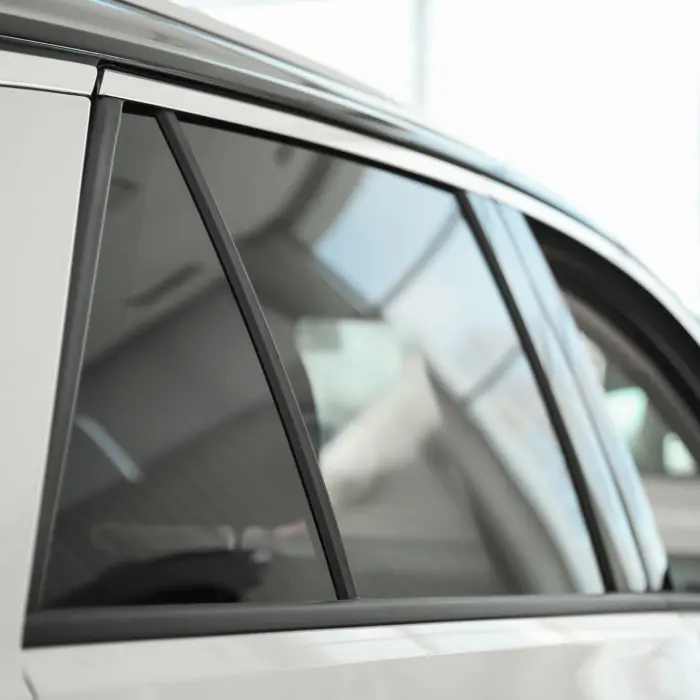
Newark Auto, Residential And Commercial Window Tint
Window tint done right looks clean from every angle, stays bonded at the edges, and gives you the exact outcome you asked for: cooler glass, calmer glare, and privacy that makes sense for how you use the space. For Auto tint in Newark, that means a shade that's legal, comfortable to drive with, and installed so it won't haze, crease, or interfere with defrosters and sensors. For homes and businesses, it means a film matched to the glass type and sun exposure so you get real heat and glare control without risking film failure.
Quality Window Tint handles auto, residential and commercial window tint in Newark with experienced technicians and the right tools to cut film precisely to each vehicle and window layout. We've been in the window tinting business 36+ years, we're members of the BBB and NFIB, and we've earned a Dealer Excellence Award from Llumar Window Film. Free estimates are available so you can compare options before you commit.
Auto window tint in Newark: comfort, visibility, and Ohio compliance
Auto window tint isn't just about making the glass darker. The right film reduces glare off wet pavement and low-angle sun, blocks 99.9% of the sun's harmful UV rays, and helps your interior materials last longer. Drivers who spend a lot of time on Newark roads usually notice the day-to-day benefit first in two places: the side glass (glare and heat on your arms and face) and the rear glass (headlight glare at night).
Ohio window tint rules matter. The state limits how dark and how reflective your film can be, and windshield tint is restricted to the top portion above the AS-1 line. If you want a darker look, we'll walk through what's allowed on each piece of glass and choose a film that fits your goals without putting you in the position of redoing it later. Learn more about our auto services for compliant and effective tinting.
Film selection is also about tradeoffs, not hype:
- Shade (VLT) affects privacy and glare, but darker isn't automatically better for night driving or rainy conditions.
- Heat control depends on the film construction, not just the shade. Some lighter options still perform well.
- Metal content can affect GPS, cell, and radio reception on some vehicles. If that matters to you, we'll steer you to a film type that avoids that issue.
What a proper vehicle tint install includes
A good install is mostly prep and precision. The film only looks as good as the glass underneath it, and vehicle glass has tight curves, dot-matrix borders, and edges that punish rushed work. Our automotive window tint specialists use dedicated tools for accurate cutting and consistent fit, then install with controlled slip solution and squeegee technique to lock the adhesive down evenly.
- Confirm goals and constraints (legal darkness, glare issues, privacy, heat reduction, signal concerns).
- Inspect and protect the vehicle so trim, door panels, and electronics stay clean and dry during installation.
- Deep-clean the glass to remove invisible debris that causes bumps, "seeds," and edge lift later.
- Cut and shape the film to match the glass, including tight corners and complex rear windows.
- Apply and squeegee to push solution out and set the adhesive uniformly.
- Final check for edges, alignment, and clarity, plus simple aftercare guidance for the first days while the film cures.
Some haze or small water pockets during curing are normal right after installation. What isn't normal is debris trapped under the film, jagged edges, or film that stops short of the seal line. Those are preventable with correct cleaning and fit.
Residential window tint for Newark homes: glare control without sacrificing the view
Residential window film is a practical fix for "hot spots" and harsh light that make certain rooms hard to use. If you have large windows, sliding doors, or rooms with direct sun for long stretches of the day, tint can cut glare on TVs and workspaces and reduce UV exposure that fades floors, furniture, and fabrics. It's also a cleaner approach than constantly drawing blinds, because you still keep natural light.
Home glass needs the right film choice. Double-pane and low-e windows can react differently to film depending on sun exposure and the type of coating in the glass. A professional residential tint job starts with identifying the glass type and your goals, then choosing a film designed for that application so performance and longevity line up.
Homeowner expectations matter too:
- Daytime privacy is easier than nighttime privacy. If interior lights are on at night, many films won't stop people outside from seeing in. We'll explain what to expect before installation.
- Glare reduction is often the biggest "feel it immediately" benefit, especially in rooms used for screens.
- Maintenance stays simple. Quality films are durable, long-lasting, scratch resistant, and easy to maintain with the right cleaning method.
If your goal includes extra protection from broken glass, there are film options that help hold shattered glass together. That's not the same thing as "break-in proof," but it can reduce the mess and sharp shards if glass breaks.
Commercial window tint in Newark: cleaner storefronts, better comfort, less screen glare
Commercial tinting is about keeping the building usable all day. Glare on monitors, heat buildup by front windows, and harsh light on customers or staff can make a space feel uncomfortable even when HVAC is working hard. Window film helps cut that glare, reduces UV exposure to interiors and merchandise, and gives the exterior a more consistent look across the glass.
Commercial work also has practical constraints: mixed window sizes, different glass types in the same building, and visibility needs for customers and safety. We plan commercial installs around how your space operates, then install cleanly so edges line up, sightlines stay intentional, and the film looks uniform from the street. See our commercial window tinting services for more details.
For businesses that want privacy without blacking out the windows, there are film options that soften visibility and reduce glare while still keeping the space bright. If your priority is branding and appearance, we'll guide you toward a finish that looks intentional rather than "aftermarket."
How to choose film that won't disappoint later
Most dissatisfaction comes from picking film by shade alone. Before you choose, decide what you're actually solving: heat on skin, fading, screen glare, daytime privacy, or a cleaner exterior look. Then we match that to a film type and visible light level that fits the application, especially for residential and commercial glass where the wrong film choice can create headaches.
We install Llumar Window Film and can explain the differences between film lines in plain language: what you'll feel, what you'll see, and what changes (or doesn't) at night. You'll also get straightforward aftercare instructions so the film cures properly and stays clear.
Free estimates in Newark make it easy to compare options across auto, home, and commercial projects. Cash discounts are available.
FAQ: auto, residential and commercial window tint
How dark can my auto window tint be in Ohio?
Ohio limits how dark and how reflective tint can be, and windshield tint is limited to the top area above the AS-1 line. We'll help you choose a shade that matches your goals while staying within Ohio requirements for the windows you're tinting.
Will tint make it hard to see at night?
It can if the shade is too dark for your comfort or your driving conditions. We'll talk through how you drive in Newark, then recommend a visible light level that reduces glare in the day without making night visibility stressful.
How long does it take for new window film to cure?
Curing depends on conditions and the amount of moisture under the film right after installation. Some light haziness or small water pockets can show during the early cure period; they clear as the film dries and the adhesive sets.
Will rear defrosters or embedded antennas be affected?
Properly installed film won't block defrosters from working. The key is clean prep and careful handling on rear glass with defroster lines and embedded components so the film bonds evenly without damaging the grid.
Can residential tint go on any window?
Not every film fits every glass type. We identify the window construction and exposure first, then choose a film designed for that application so you get the performance you want without creating stress on the glass.
If you want window tint that looks right, performs the way you expect, and stays legal on the road, start with a free estimate. Tell us what you're trying to fix in your car, home, or building in Newark, and we'll recommend film options that fit the glass and the way you use the space.
